On July 31, the U.S. government officially announced that Taiwanese exports to the U.S. will be subject to a 20% reciprocal tariff starting August 1. While lower than the previously anticipated 32%, the rate still exceeds the 15% level granted to key allies such as Japan and the EU, drawing significant concern from Taiwan’s traditional manufacturing sectors—including bicycles, textiles, metals, and machinery. Semiconductor products remain the sole category exempt from the tariff.

President Lai Ching-te emphasized that the 20% tariff is a “provisional measure”, attributing it to the fact that Taiwan-U.S. trade negotiations are not yet finalized. “The U.S. has formally notified Taiwan’s negotiation team in Washington that the announced 20% is a temporary rate, and there is room for further adjustment,” President Lai said publicly. He further explained that the final summary meeting between the two sides has not yet taken place, and the U.S. imposed the 20% rate as a technical placeholder. If a formal agreement is reached, the rate could potentially drop to 15% or even 0%.
Taiwan’s representative office in Washington and the Executive Yuan’s negotiation task force have launched a new round of talks focused on trade agreements, supply chain cooperation, and the U.S. Section 232 tariff mechanism on steel and aluminum. Given the strategic complementarity of Taiwan-U.S. trade—particularly in semiconductors—Taiwan aims to strengthen bilateral investment and reinforce its image as a “trusted partner” in the global supply chain.
Hope for Further Tariff Reduction
Commenting on the newly announced 20% rate, TBA Chairman Robert Wu noted that Taiwan’s bicycle industry has long been deeply engaged in the U.S. market. While the 20% tariff is lower than the initially feared 32%, it remains significantly higher than the 15% rate offered to Japan, South Korea, and EU countries. “The pressure is still intense,” Wu said, urging the government to continue negotiations to secure equal treatment with other U.S. trade partners.

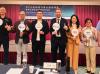
TBA Chairman Robert Wu.
Kenda Rubber Group Chairman Ying Ming Yang echoed this sentiment, stating that while the reduction from 32% to 20% is welcome, the rate still exceeds the level applied to most U.S. allies. He emphasized the importance of monitoring whether upcoming negotiations can bring the rate down to a more reasonable range. Yang pointed out that countries such as Japan, the EU, and several Southeast Asian nations have already secured deals reducing their tariff rates to 15% or lower. If Taiwan can finalize a “Trade and Security Agreement” with the U.S. within 90 days, the tariff could still be lowered; otherwise, the 20% rate may become a long-term burden.

Kenda Rubber Group Chairman Ying Ming Yang.
Margin Pressure and Stock Price Impacts
Bicycle manufacturers warned that the tariff will likely squeeze profit margins in the short term. Brands may ask OEM partners to absorb part of the cost. Taiwanese publicly traded bike companies have already seen their share prices drop in anticipation of this pressure. Some foreign analysts believe that if talks break down, companies may be forced to accelerate relocation of production bases overseas or adjust retail pricing.
Relocate, Absorb, or Pass It On
Industry consensus suggests manufacturers will face three choices if the tariff becomes permanent: relocate production, absorb the added cost, or pass it on to distributors and consumers. Some companies have already begun assessing overseas factory options, while some brands are exploring the possibility of setting up final assembly sites in the U.S. to avoid the high duties.
The Taiwan Bicycle Association (TBA) noted that, in addition to pushing for progress in trade negotiations in coordination with the government, it is also urging businesses to upgrade their product lines and transform their supply chains to add more value and cope with changing market conditions.
Though short-term challenges are unavoidable, the industry remains cautiously optimistic. A successful trade agreement could pave the way for renewed competitiveness. If the tariff is reduced to 15%, Taiwanese manufacturers would once again be on equal footing with major global rivals in the U.S. market.