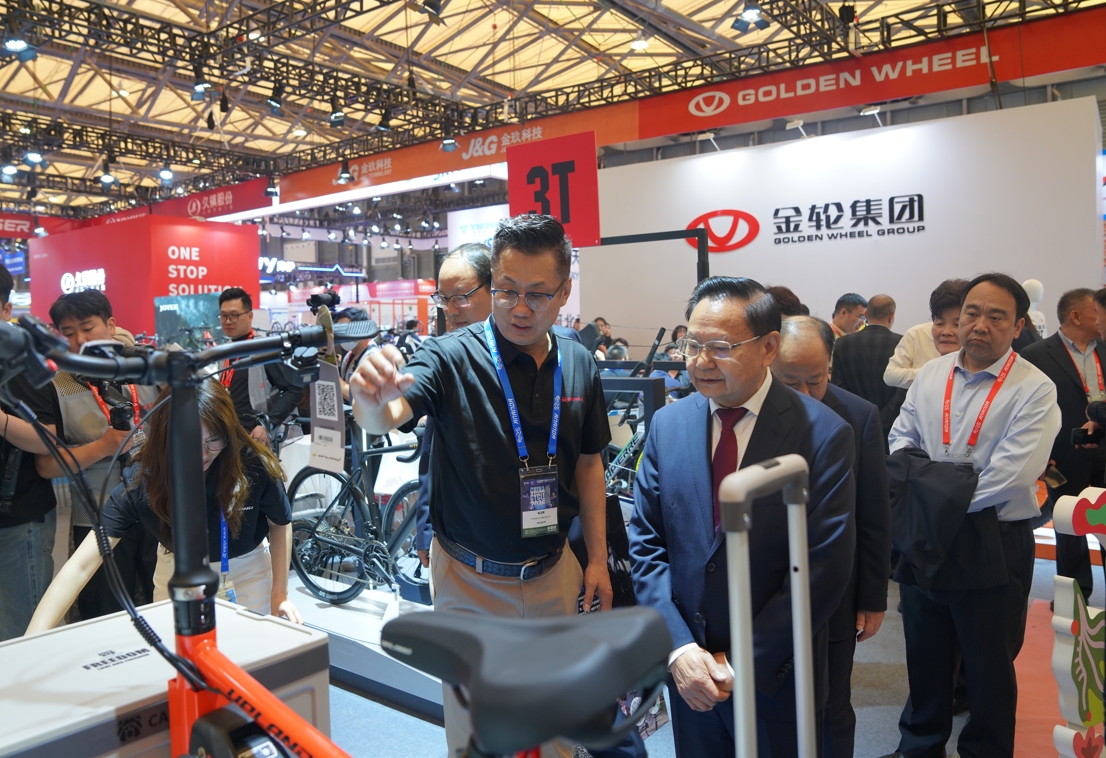
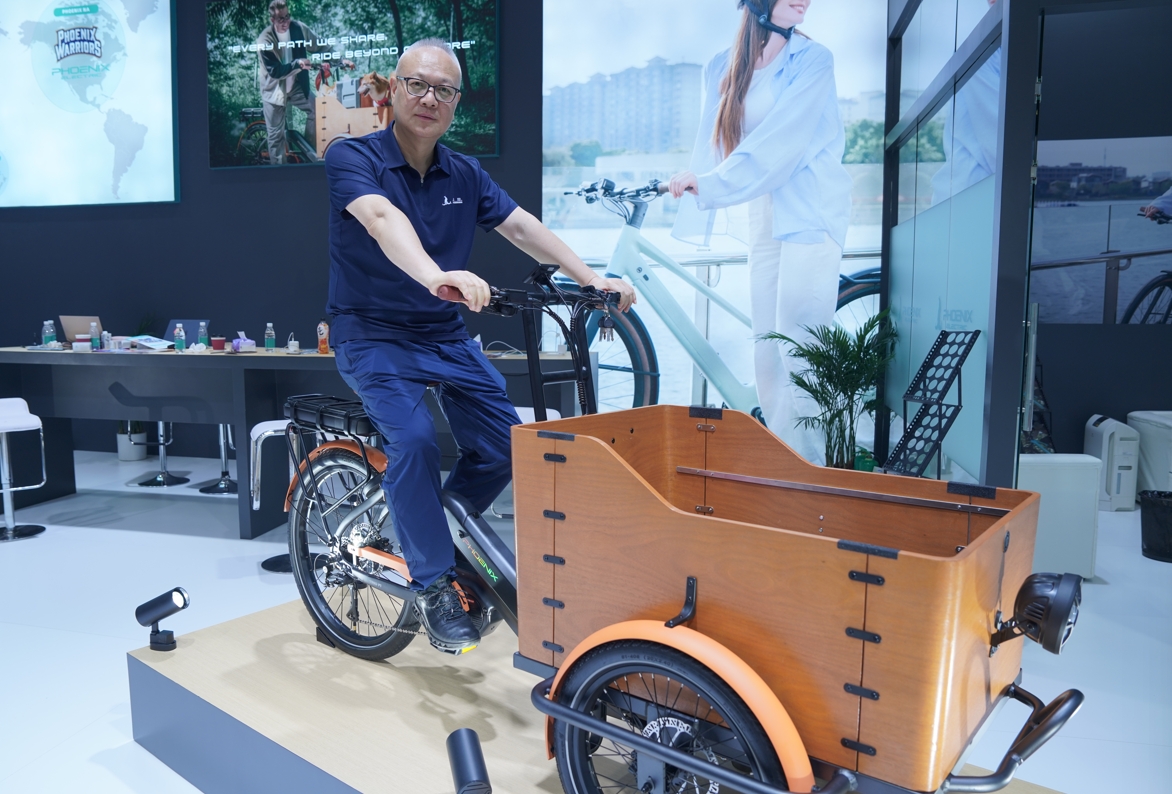
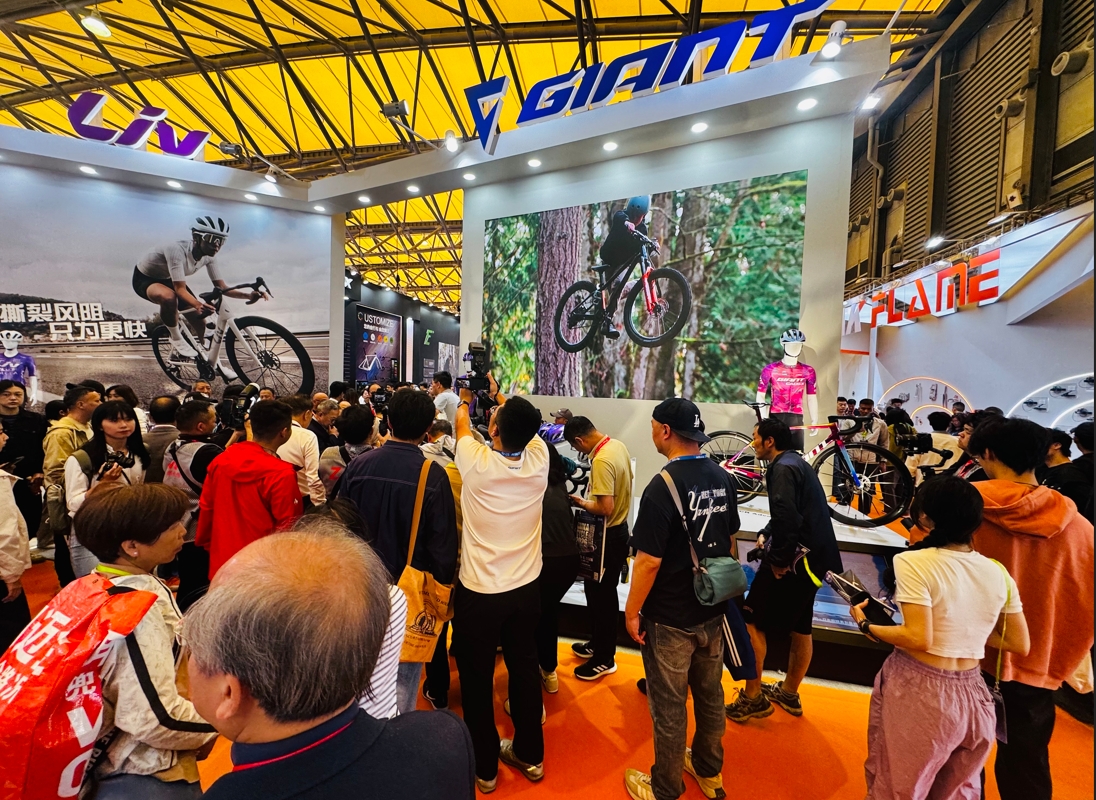
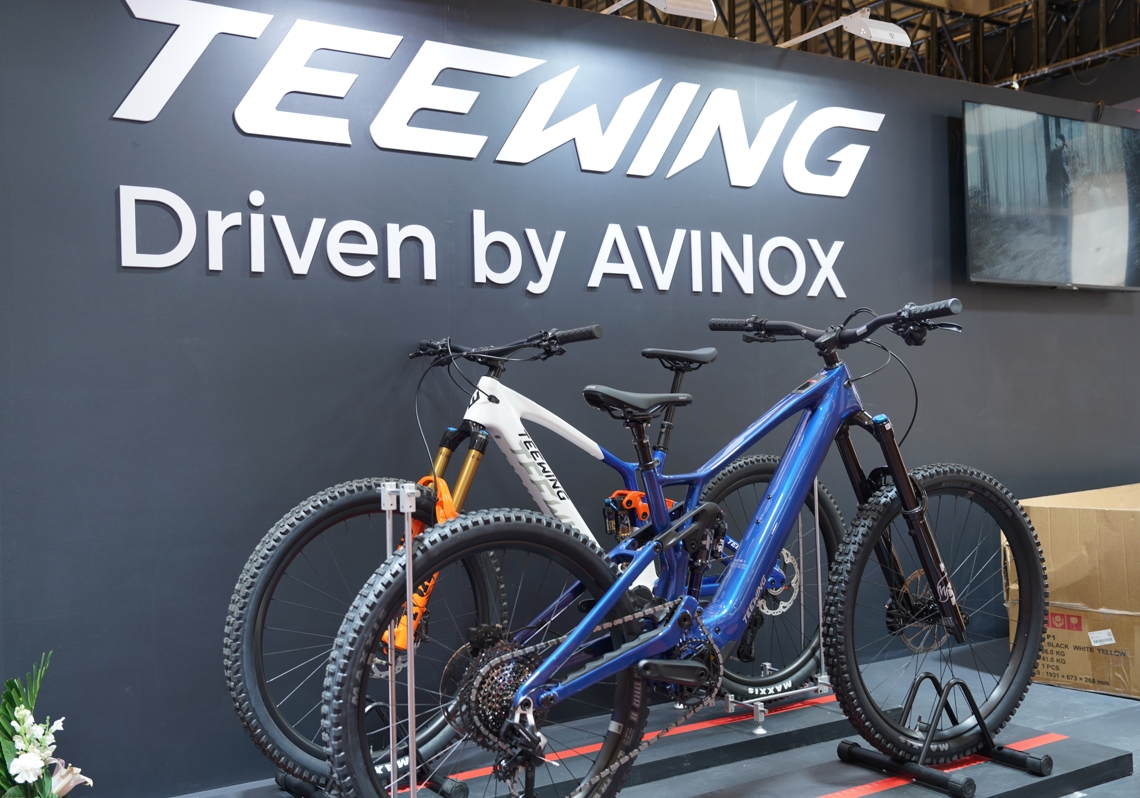
China Cycle 2026 was held from May 5 to 8 at the Shanghai New International Expo Centre under the theme “Innovation-Driven, Smart Future.” The show covered more than 160,000 square meters across 13 halls and brought together over 1,600 exhibitors, showcasing bicycles, e-bikes, key components, smart riding equipment, outdoor products, electric motorcycles and urban battery-swapping solutions.
More than a product showcase, this year’s event reflected a Chinese bicycle industry in transition. While price pressure and domestic competition remain intense, e-bikes, smart technologies, component exports and emerging markets are becoming more important growth drivers.
E-bike production leads growth
According to data shared by Song Bo of the China Bicycle Association, China produced around 55.9 million bicycles in 2025, down 2% year-on-year. E-bike production reached about 54.9 million units, up 29%.
Industry revenue among above-designated-size enterprises increased 9%, while profits rose 20.7%. The revenue profit margin reached 4.76%. The e-bike segment performed particularly well, with revenue up 19.3% and profits up 60.6%.
The figures show a clear split: traditional bicycle production is under adjustment, while e-bikes remain the industry’s key growth engine, supported by trade-in policies, new safety standards and daily commuting demand.
Exports: bicycles stable, components stronger
China exported around 48.939 million bicycles in 2025, up 2.4%. Export value reached about US$2.617 billion, down 1.7%, indicating pressure on pricing and margins.
E-bike exports also grew, reaching around 4.93 million units, up 5.6%. Component exports were more resilient, reaching US$3.632 billion, up 10.6%.
Traditional markets such as the United States, Japan, Vietnam and Thailand remained weak. ASEAN exports declined by about 1.6%, though Indonesia grew 7.8%. Latin America stood out with 39.2% growth.
For components, Germany grew 13.1%, while the Netherlands, Portugal, France and Spain all posted double-digit growth. Exports to the United States fell about 20%, mainly due to tariff pressure. Component exports to Vietnam, Cambodia and Turkey rose 40% to 50%, reflecting stronger demand from regional assembly markets.
First quarter 2026: exports weaken after a steady start
China’s bicycle industry faced pressure in early 2026. In January and February, production was affected by the Chinese New Year holiday and delayed factory restarts. Output among above-designated-size bicycle enterprises fell 15%, while revenue declined 6%. E-bike production fell 21.4%.
In the first quarter, China exported around 12.308 million bicycles, down 2.8%. Export value reached about US$667.8 million, down 9.9%. Component exports reached US$940 million, up 11.7%.
Exports were relatively stable in January and February, but weakened sharply in March due to geopolitical tensions in the Middle East, softer overseas demand, higher oil prices, rising freight costs and raw material pressure. In March, complete bicycle export volume and value fell 22% and 32.2%, respectively, while component export value dropped 30.3% month-on-month.
From product volume to application scenarios
China Cycle 2026 showed that Chinese suppliers are moving beyond product quantity and price. More exhibitors emphasized system integration, smart features and application scenarios.
Smart hardware, apps, displays, controllers, sensors, vehicle management systems, riding data and after-sales services received more attention. For e-bikes, future competition will not depend only on motors, batteries or frames, but also on system stability, compliance, service capability and user experience.
Price competition in China remains intense, but the market is also reshuffling around specifications, delivery speed, service and smart features. Younger founders and second-generation leaders are also bringing faster product development, digital marketing and closer user feedback into the industry.
Outlook
China’s bicycle industry is entering a phase of adjustment and upgrading. Traditional bicycle production is under pressure, while e-bikes, components and emerging markets remain key growth areas.
For international buyers, the key point to watch is whether Chinese suppliers can move beyond scale and price to deliver more reliable quality, stronger compliance and higher-value solutions.