Europe’s bicycle industry will need to recruit around 105,000 additional bike mechanics by 2032, according to a new analysis by the NextGen Mechanics initiative and European Cycling Industries (ECI).
The report estimates that Europe currently employs around 175,000 cycle mechanics and is already short of approximately 45,000 mechanics to meet current demand. Including the need to replace mechanics who leave the industry, the maintenance workforce would need to grow to close to 250,000 by 2032, representing an increase of roughly 40% from current levels.
The NextGen Mechanics report was launched on September 30 at the European Cycling Industries Summit in Brussels. ECI describes it as the first estimate of cycle mechanic demand based on employment data from cycle retailers. The report also draws on survey responses and stakeholder interviews from across Europe.
The shortage is already affecting cycling behaviour. Shimano’s latest State of the Nation research, based on a representative survey of 25,000 people across 25 European countries, estimates that 212 million people experience barriers to bicycle maintenance. Of these, 121 million cycle less as a result, while 7.6 million have stopped cycling altogether.
The report notes that the role of the bicycle mechanic has become increasingly technical, covering firmware, battery systems, digital drivetrains and other electronic systems in addition to conventional mechanical work. In the NextGen Mechanics survey, 72.5% of respondents cited low pay or the status of the profession as reasons for the shortage, while 55% cited a lack of formal qualifications or training. Half also pointed to the increasing complexity of modern bicycles, including e-bikes and cargo bikes.
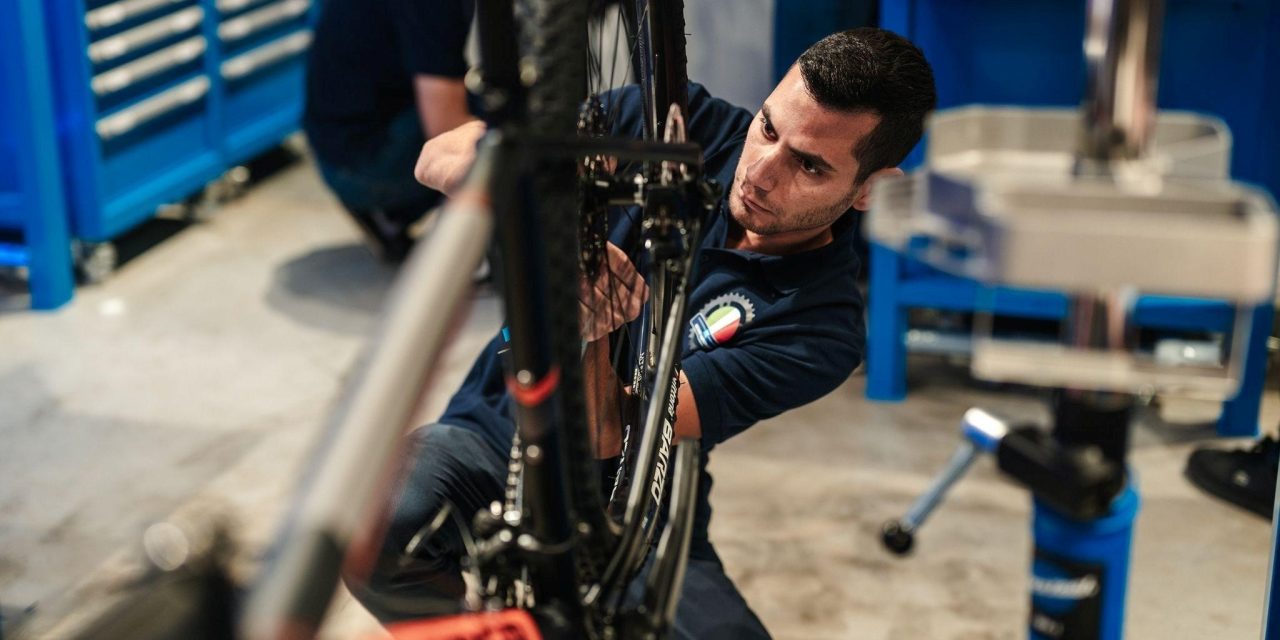 Photo: NextGen Mechanics
The report also cites data from OOMT, the Dutch training and development fund for the motor vehicle and two-wheeler sector, showing that 24% of bicycle mechanics left the industry in the Netherlands in 2024. The report says that if a similar attrition rate occurred across Europe, the existing shortage could increase by a further 15,000 mechanics.
Limited access to professional repair services is also contributing to the growth of an informal repair market. The report notes that in cities with high e-bike uptake, informal garages and mobile mechanics are filling gaps left by overstretched or unavailable workshops. Some are also servicing modified e-bikes that established workshops may decline to repair.
To address the skills gap, ECI is establishing an Education and Skills Expert Group (ESEG). Priorities include a pan-European assessment of skills gaps, the development of a standardised and replicable training framework for bicycle mechanics, and pilot programmes with cities, training providers and industry partners.
The NextGen Mechanics report sets out 27 recommendations across five areas: supporting and developing the existing workforce; growing the workforce; strengthening vocational education and training; improving the economics and consumer value of cycle maintenance; and establishing structures for continued industry action.
Paul Walsh, CEO of ECI, said: “A bicycle that cannot be repaired is a bicycle that stops being ridden.” He added that Europe’s capacity to train and retain qualified bicycle mechanics is falling behind demand, affecting both consumers and businesses.
Mario Nava, Director-General for Employment, Social Affairs and Inclusion at the European Commission, said at the summit that bicycle mechanics cannot be replaced by AI and that more mechanics will be needed in the future.
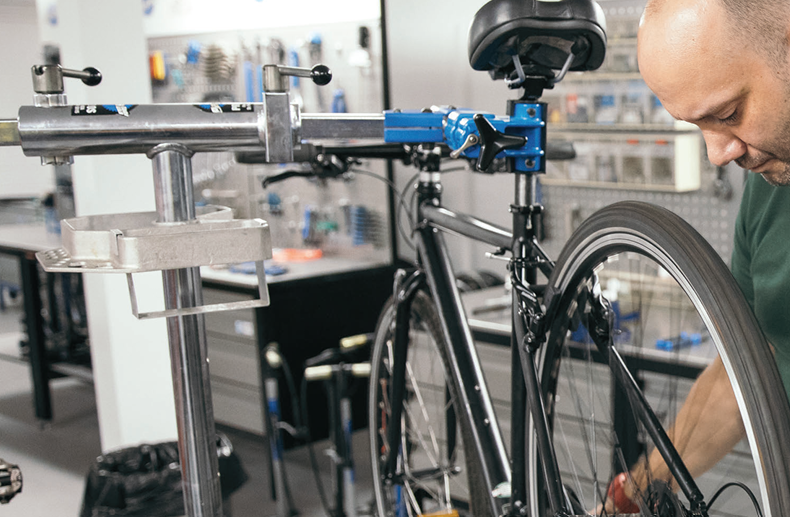
Photo: NextGen Mechanics