The German Bicycle Industry Association (ZIV) published a position paper titled “China as a systemic competitor in the bicycle industry” on October 7, calling for open trade while urging the European Union and German government to ensure the consistent and effective enforcement of existing trade rules to maintain fair competition in the bicycle industry.
ZIV states that China produces around 70 to 80 million bicycles and e-bikes annually, making it the world’s largest bicycle manufacturing country. Germany, by comparison, produces around two million bicycles per year. At the same time, European bicycle manufacturers remain heavily dependent on Chinese suppliers, particularly for frames and components, while competitive pressure from Chinese imports has increasingly expanded from components to complete bicycles and e-bikes.
According to ZIV, this market imbalance is linked to long-term industrial policy, with Chinese companies benefiting from preferential financing, tax benefits and subsidies. ZIV also cites the European Commission, stating that key components such as motors and batteries are sometimes supplied at prices that do not reflect market conditions.
ZIV further points to the 14th Five-Year Plan of the China Bicycle Association, which sets the goal of making China’s bicycle and e-bike industry “the predominant power in the international market” by 2035.
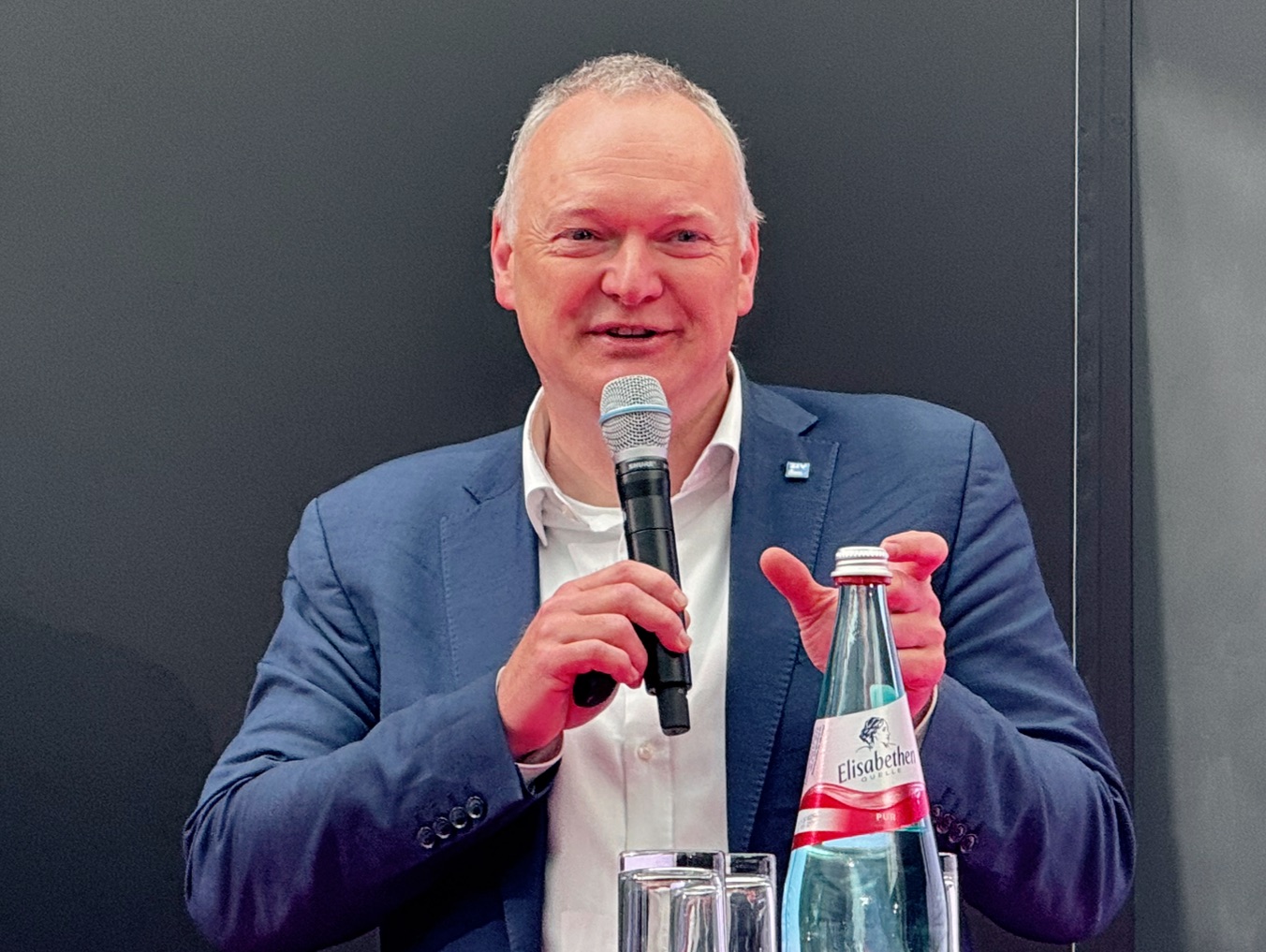
ZIV CEO Burkhard Stork said that fair competition cannot be taken for granted and must be actively protected. He stressed the need to safeguard a clear European footprint across the value chain and ensure that existing rules are enforced, calling on the EU and German government to take responsibility.
On environmental issues, ZIV states that bicycles and e-bikes manufactured in China have carbon footprints that are 52% and 66% higher, respectively, than those produced in Europe. ZIV argues that the European bicycle industry already provides more climate-friendly products but has yet to derive corresponding economic benefits from this advantage.
Regarding trade measures, ZIV says that the EU’s existing anti-dumping and countervailing duties provide important safeguards, but their effectiveness is limited by complex supply chains and companies finding ways to circumvent them. The association therefore calls for extending anti-dumping measures to bicycle components, further developing technical regulations and forging alliances at the European level.
ZIV also believes that clear country-of-origin labelling or a “Made in Europe” designation could help highlight the quality and environmental benefits of European production.