Germany had 102,550 active bicycles in public bike-sharing systems offering automated, 24/7 rentals as of September 1, 2026, up 1.5% year-on-year. Private bicycle subscriptions declined 2% to 98,000, according to market data released on October 20 by Zukunft Fahrrad, a German bicycle industry association.
The association’s second annual market survey expanded its coverage to include commercial bicycle subscriptions nationwide and tourist rental bicycles in a major cycling tourism region. It estimated 12,500 to 14,000 commercial bicycle subscriptions nationwide, primarily used for electric delivery bikes.
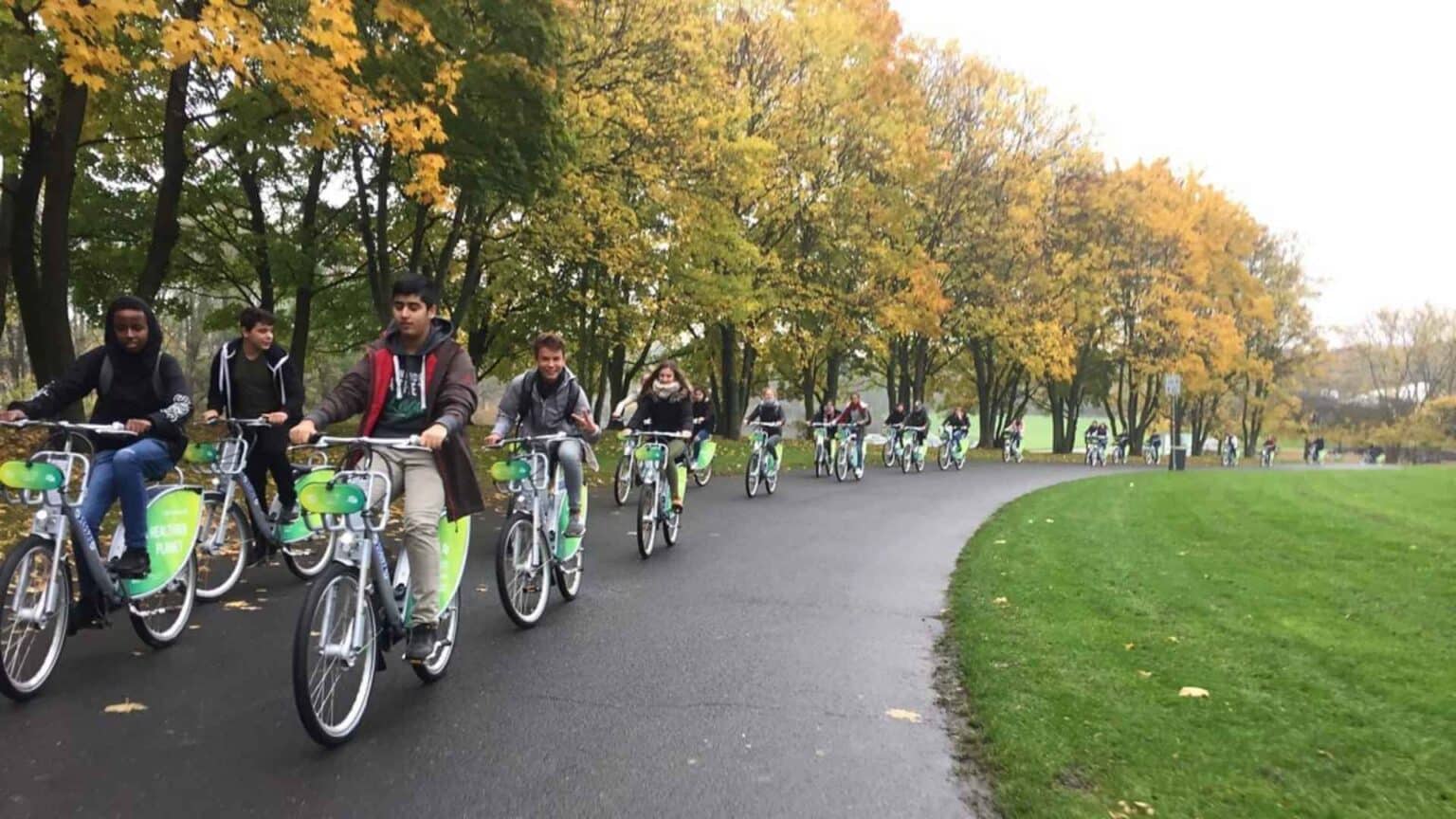
Among 13 companies offering bike-sharing without e-scooter services, the fleet totalled 67,040 bicycles, up 4% year-on-year. This included 6,250 e-bikes, an increase of 49%, and 1,260 cargo bikes, down 2%.
Four companies primarily operating e-scooter-sharing services also offered e-bikes, with a combined fleet of 35,513 units, down 3.3%. These operators are part of Platform Shared Mobility. In addition, local “freie Lastenrad” initiatives operated 930 cargo bikes, which were reported separately because they generally do not offer automated, 24/7 rental services.
Private bicycle subscriptions declined following the exit of two providers from the subscription business. However, subscriptions at providers that remained active increased, according to Zukunft Fahrrad. The association counts active subscription contracts rather than the number of bicycles and excludes company bicycle leasing and financing leases from its subscription figures.
The survey also estimated that 35,000 to 40,000 tourist rental bicycles were available along the Baltic coast of Mecklenburg-Vorpommern as of September 1, 2026. The estimate was based on data and estimates covering 92 providers.
Beyond fleet size, the association highlighted usage intensity as an important measure of bike-sharing’s relevance. In Cologne, the KVB-Rad system recorded an average of seven uses per bicycle per day in the first half of 2026, alongside 2.88 million trips.
For comparison, Germany had 43,190 car-sharing vehicles in January 2026. Employee and self-employed bicycle leasing contracts totalled 2.2 million in December 2025, while 3.8 million bicycles were sold nationwide in 2025, 53% of them e-bikes.
Zukunft Fahrrad called for investment in regional bike-sharing networks, integration of bike-sharing into regional public transport ticketing, social tariffs for sharing and subscription services, and simpler tax rules for mobility budgets supporting sustainable transport.