Italian bicycle brand Bianchi has entered Italy’s negotiated crisis-resolution procedure (Composizione Negoziata della Crisi, or CNC) to seek protection from creditors and renegotiate debts with banks and suppliers.
Bianchi filed for creditor protection on September 30, 2026, and the Court of Bergamo approved the protective measures on October 16. The initial four-month protection prevents creditors from seizing company assets, including factory equipment, bank accounts and inventory. The protection may be extended.
The court appointed Eugenio Bissocoli as an independent expert to facilitate negotiations between Bianchi and its creditors and help develop a debt-repayment plan.
According to Escape Collective, Bianchi’s latest published full accounts, covering 2024, showed liabilities of approximately €100 million, including €64.3 million owed to banks. The company also recorded cumulative losses of approximately €28 million between 2023 and 2025.
Tony Grimaldi, who became interim CEO in June 2026, told Escape Collective that Bianchi had invested in too many areas simultaneously. These included a new factory in Treviglio, electric bicycle models and overseas distribution operations. He described discussions with banks as constructive.
Bianchi said it had implemented an operational and financial reorganisation within a protected framework.
Founded in Milan in 1885, Bianchi has been owned by Sweden-based Grimaldi Industri since 1997. It opened its new headquarters and factory in Treviglio in 2024.
Under Italy’s CNC procedure, companies can negotiate with creditors with the assistance of an independent expert. The procedure normally lasts 180 days and may be extended by a further 180 days under certain conditions. Separately, the court-approved protective measures initially last four months and may be extended. Escape Collective reported that Bianchi could have until May 2027 to reach new repayment agreements with its creditors.
The outcome of the negotiations will determine whether Bianchi can agree on revised repayment terms and establish a sustainable financial restructuring plan.
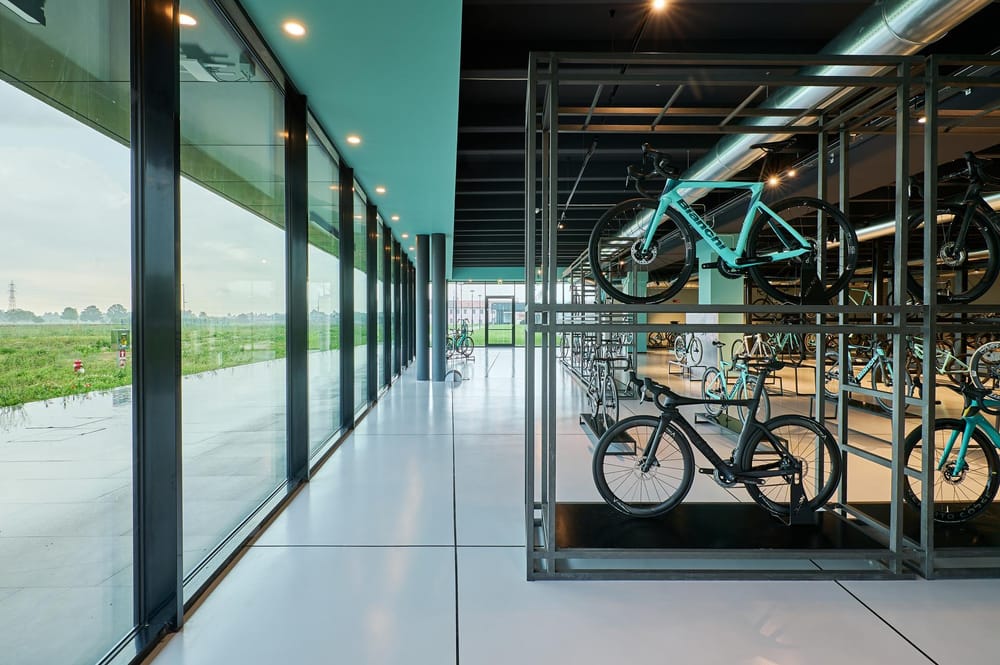
Photo: Bianchi