PeopleForBikes testified at a public hearing held by the U.S. Consumer Product Safety Commission (CPSC) on October 21, 2026, calling for clearer distinctions between low-speed electric bicycles and high-speed electric motorcycles, or e-motos, as well as stronger battery safety requirements.
Matt Moore, PeopleForBikes' Policy and General Counsel, submitted written comments and oral testimony on behalf of the U.S. bicycle industry in response to the CPSC's June 2026 proposed rule on lithium-ion batteries used in micromobility products. PeopleForBikes supports stronger battery safety requirements but urged the CPSC to gather additional supporting data and adopt existing UL standards without modification.
Regarding the classification and safety regulation of e-bikes and e-motos, PeopleForBikes made four recommendations:
Use the existing statutory definition of low-speed electric bicycles: Replace the proposed rule's generic definition of e-bikes with the existing statutory and regulatory definition of low-speed electric bicycles to reduce confusion among consumers, law enforcement and policymakers.
Establish a separate definition for e-motos: Clearly distinguish high-powered vehicles capable of reaching speeds of up to 60 mph from low-speed electric bicycles. Some e-motos lack fully operable pedals and are marketed as off-road electric dirt bikes, placing them under CPSC jurisdiction.
Establish mandatory electrical safety standards for off-road e-motos: Address regulatory gaps by establishing safety requirements for off-road e-motos that fall under CPSC jurisdiction but are not covered by existing e-bike electrical safety standards, including UL 2849-20.
Address conversion-kit safety risks: Avoid legitimizing conversion kits as consumer products, as they can transform conventional bicycles into motorized vehicles that exceed the structural design strength of their original frames and the capabilities of their components.
PeopleForBikes also called on the CPSC and the National Highway Traffic Safety Administration (NHTSA) to coordinate enforcement against e-moto manufacturers, importers and distributors that evade applicable federal safety requirements.
"E-bikes and e-motos are fundamentally different products, and federal safety regulations need to reflect that distinction," Moore said. "When high-powered electric dirt bikes are marketed as e-bikes, it creates confusion for consumers and puts the credibility of legitimate e-bikes at risk. We need clear, enforceable standards that protect riders and hold manufacturers accountable."
The hearing also addressed the CPSC's proposed rule, introduced in June 2026, to establish safety standards for lithium-ion batteries and electrical systems used in e-bikes and other micromobility products. PeopleForBikes said the final requirements should be supported by sufficient data and based on existing UL standards without modification.
Heather Mason, executive director of the National Bicycle Dealers Association (NBDA), also expressed support for mandatory federal safety standards for lithium-ion batteries and electrical systems used in micromobility products, including standards based on UL 2849 for e-bike electrical systems.
The CPSC proposal remains under consideration, and the recommendations raised at the hearing have not yet become final regulations.
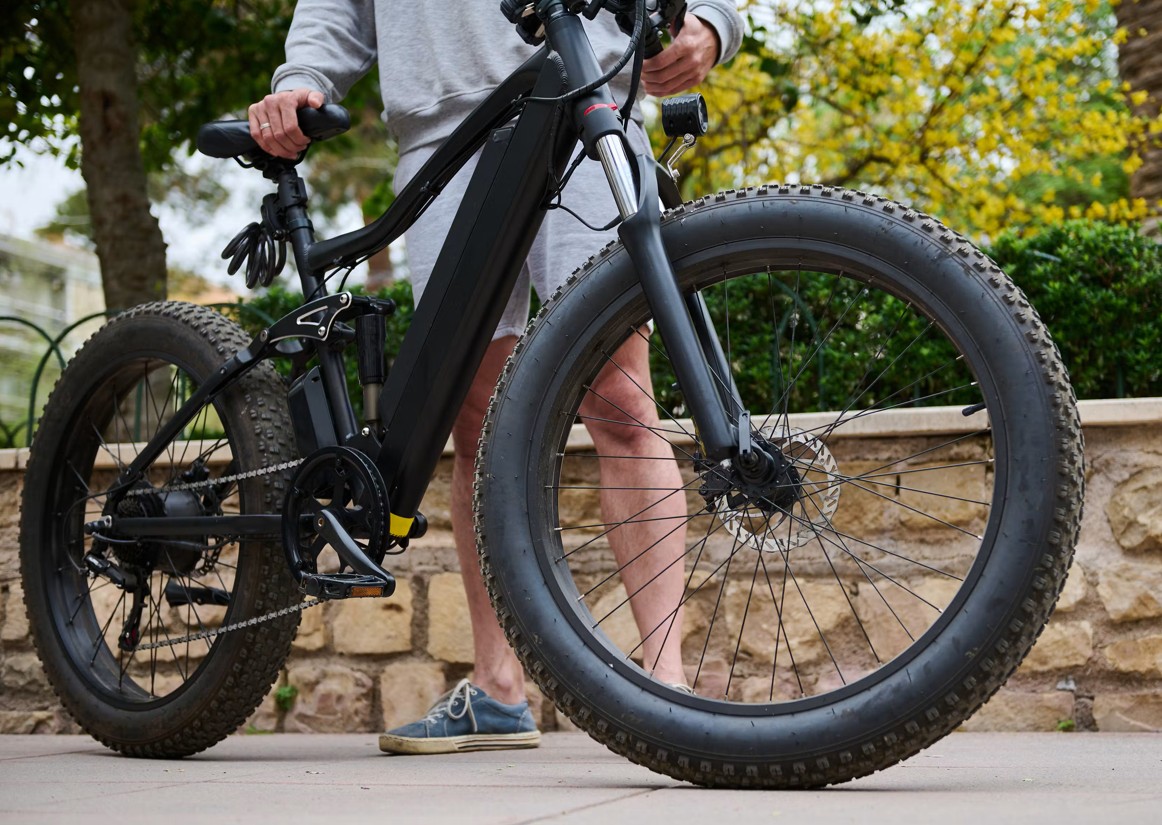 Photo: PeopleForBikes