The World Bicycle Industry Association (WBIA), European Cycling Industries (ECI) and Türkiye's Bisiklet Endüstrisi Derneği (BİSED) have called on governments and international institutions to include cycling in their climate plans, launching six policy recommendations at COP31 in Antalya, Türkiye, on 18 November 2026.
The joint call, titled Cycling for a Fair, Low-Carbon Transition, concluded a series of three events on cycling and the climate transition held in the COP31 Green Zone.
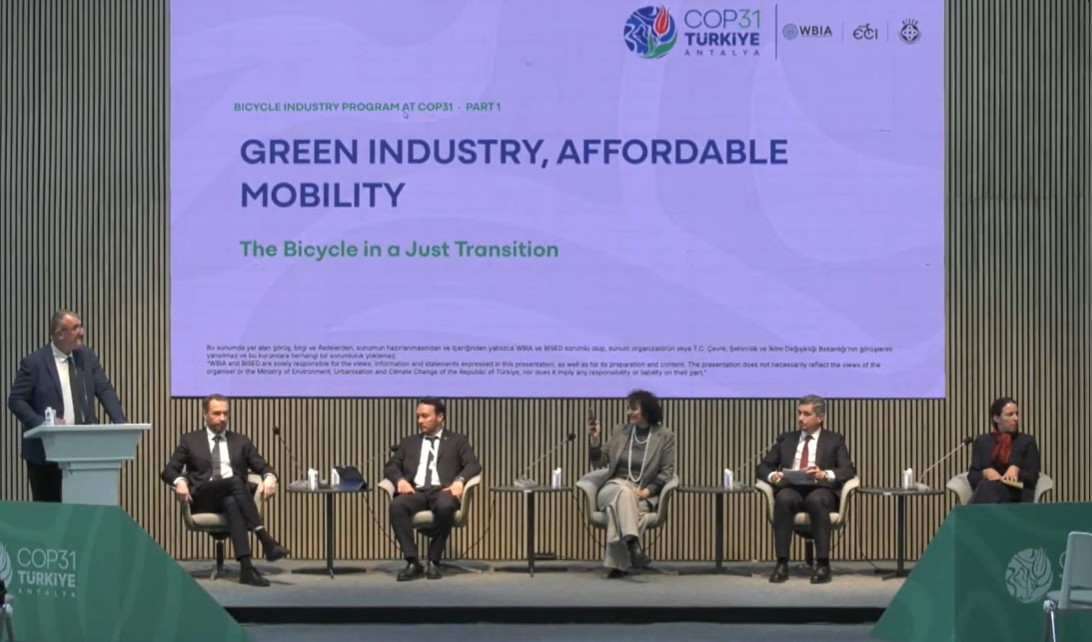
Green Industry, Affordable Mobility
The first event, organised by WBIA and BİSED, brought together representatives from the European Commission, Türkiye's Ministries of Environment, Urbanisation and Climate Change; Industry and Technology; and Transport and Infrastructure, as well as civil society organisations.
Opening the event, Bayram Akgül, President of WBIA and BİSED, said: "A just transition should make a difference in people's daily lives."
He proposed developing safe cycling routes connecting neighbourhoods with schools, workplaces and public transport, alongside workplace cycling programmes and bike-sharing schemes to expand access to bicycles.
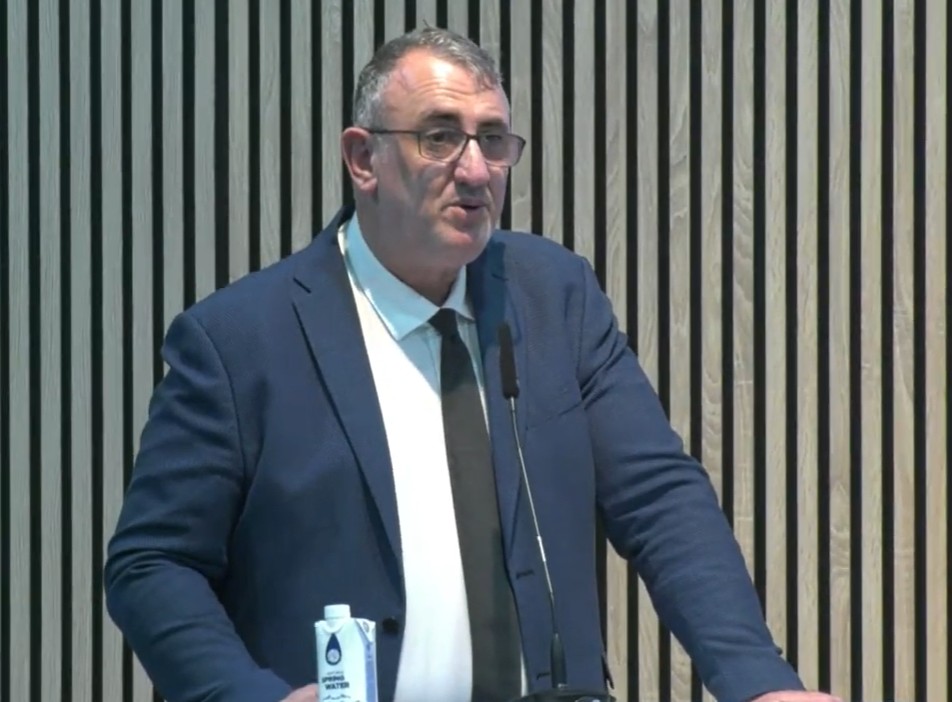
Gürsel Erul, Deputy Director General for Environmental Management at Türkiye's Ministry of Environment, Urbanisation and Climate Change, said the country has a cycling master plan integrated with the EuroVelo network. The Ministry will continue providing financial assistance to local authorities developing cycling infrastructure.
The panel discussion, moderated by ECI CEO Paul Walsh, focused on making cycling an everyday transport option rather than primarily a leisure activity.
Murat Yazgan of Türkiye's Ministry of Industry and Technology outlined the country's policy framework, including the 2019 Regulation on Bicycle Paths, the 2021 Türkiye Bicycle Route Network Master Plan and government support for R&D in bicycle manufacturing.
Hasan Umur Alsancak of the Ministry of Transport and Infrastructure said around 95% of Türkiye's transport emissions come from road transport. He also presented EU-funded projects that brought several hundred electric bicycles to Ankara, Trabzon and Kahramanmaraş.
Anaïs Gradinger of the European Commission presented the 2024 European Declaration on Cycling, highlighting the importance of national and local implementation, cycling education from primary school and investment in skills.
Barbara Sadowska of the BARKA Foundation discussed how social enterprises can create employment opportunities for vulnerable groups through bicycle maintenance and repair.
Speakers agreed that progress depends on cooperation between central and local governments, safe infrastructure and a cycling culture developed from childhood. They also highlighted a skills gap, with Europe estimated to need around one million bicycle mechanics over the next decade.
Taiwan Proposes Cycling Carbon Credits
The second event, Cycling as a Climate Solution, featured a video message from Robert Wu, President of the Taiwan Bicycle Association (TBA) and a WBIA member.
Wu shared how bicycle manufacturers are reducing the carbon footprint of their factories and proposed using the emissions avoided per kilometre ridden as the basis for developing cycling carbon credits.
In a keynote address, Prof. Dr. Mustafa Ilıcalı of Istanbul Commerce University said that building a bicycle lane costs approximately one-tenth as much as constructing a highway lane. He called for cycling to be integrated into urban planning and public transport systems.
Six Policy Recommendations
The final event saw WBIA, ECI and BİSED launch their joint call, Cycling for a Fair, Low-Carbon Transition, outlining six priorities for governments and international institutions:
Put cycling in climate plans: Include bicycles and e-bikes in nationally determined contributions (NDCs), national transport strategies and urban mobility plans.
Make cycling affordable: Support tax measures, bike-to-work programmes and leasing schemes.
Build cycling into green industrial policy: Support clean manufacturing and innovation, including e-bike components and recyclable materials, so supply can grow in line with demand.
Back repair and reuse: Recognise repair, refurbishment and maintenance as green jobs and as ways to provide more affordable bicycles.
Build safe, connected networks: Invest in safe cycling infrastructure that connects with public transport.
Count what cycling saves: Develop reliable methods to measure emissions avoided through cycling and recognise these benefits in climate finance.
The three organisations said they stand ready to work with governments to ensure cycling contributes to a transition that is fair to people and beneficial to the climate.