Following the implementation of the U.S. Trade Representative’s (USTR) new Section 301 tariff framework effective July 24, 2026, global bicycle buyers and OEMs face a restructured tariff landscape across key Asian manufacturing hubs. The new framework introduces a critical distinction between "stacked" duties and "net of MFN" caps, significantly altering sourcing economics for complete bikes, e-bikes, and components.
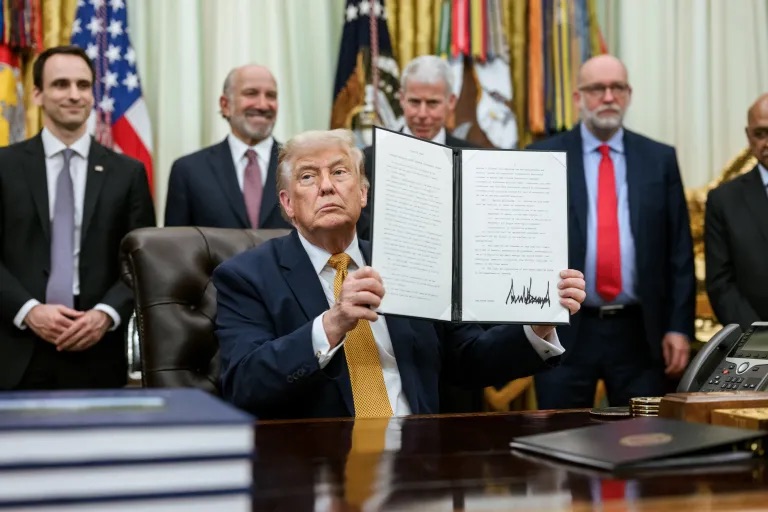
Photo: White house
Key Regional Tariff Breakdown:
* Taiwan (Carve-out Advantage):
Taiwan and the European Union benefit from a unique "Net of MFN" mechanism capped at 10%. For bicycle products with existing Most Favored Nation (MFN) duties at or above 10% (such as standard bicycles at 11%), no additional Section 301 tariff is stacked. Products with lower base rates (e.g., 5.5%) are capped at 10%. With the temporary 10% Section 122 surcharges now expired, Taiwanese exports maintain the lowest cumulative U.S. tariff structure among major Asian exporters.
* Cambodia (+10% Stacking):
Categorized under Group 1, imports from Cambodia face an additional flat 10% tariff stacked on top of existing MFN rates, raising total tariffs for complete bicycles to 15.5%–21%.
* Vietnam (+12.5% Stacking):
Designated under Group 3, Vietnam is subject to an additional 12.5% stacked duty. Total tariffs on complete bikes and e-bikes originating from Vietnam now range between 18% and 23.5%, tightening margins for mid-tier assembly plants.
* China (Cumulative Highest Rate):
China remains subject to the multi-layered tariff structure—combining base MFN duties, legacy Section 301 tariffs (up to 25%), and updated regulatory measures. Effective cumulative rates on Chinese adult bicycles and e-bikes remain elevated at 37.5%–56%, with steel-intensive components subject to further Section 232 duties.
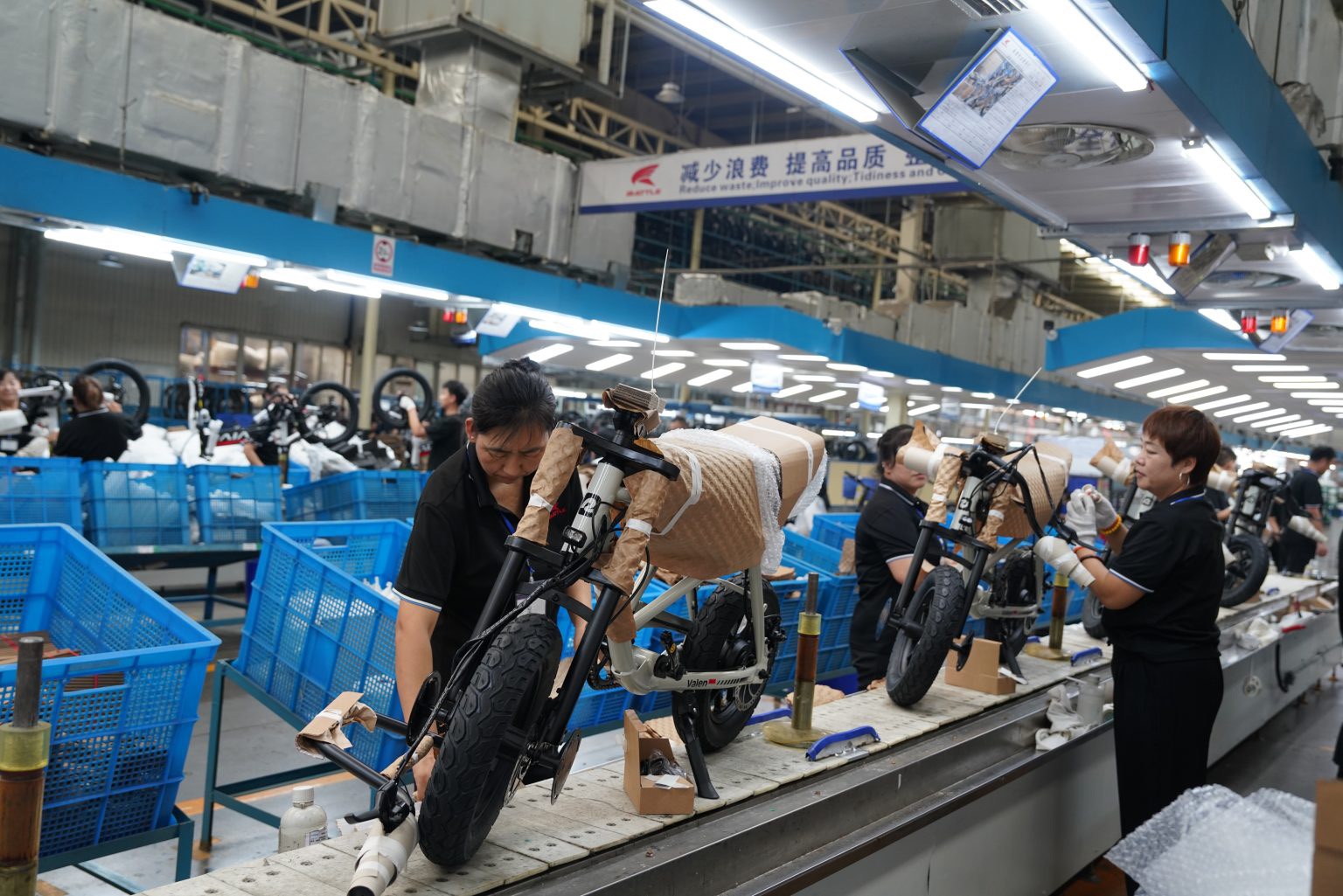 Photo: Wheel Giant
Strategic Sourcing Implications
The new USTR tariff structure reinforces Taiwan’s competitive edge in high-value complete bicycles, e-Bikes, and precision components. While Southeast Asian manufacturing hubs like Vietnam and Cambodia remain viable alternatives to China, their newly stacked duties narrow the cost gap relative to Taiwan’s premium manufacturing ecosystem.
Global procurement managers are advised to review Country of Origin (COO) certifications, Bill of Materials (BOM) steel content, and landed-cost models immediately to optimize 2027 product line sourcing.