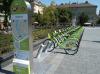
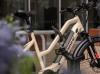
Budapest has launched the latest generation of its MOL Bubi public bike-sharing system, introducing a new operator, a new mobile application and electric-assist bicycles as the city expands its shared mobility network.
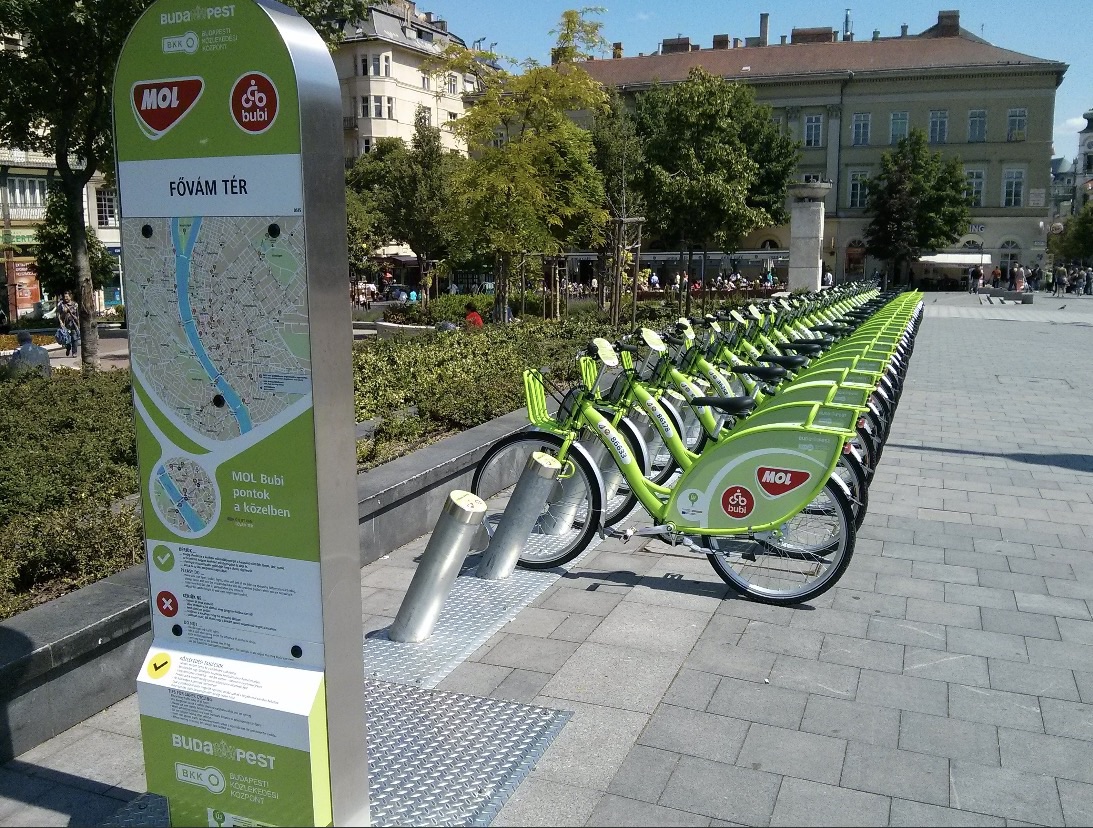 Photo: MOL Bubi
The renewed system, launched on August 3, will gradually expand its fleet to 3,300 bicycles, including 2,500 conventional bikes and 800 e-assist models. Budapest Transport Center (BKK) plans to increase the fleet to 5,000 bicycles by 2027, while the system could eventually reach up to 8,000 bicycles depending on available funding.
The service area is also expected to expand significantly. The current network covers around 40 square kilometers, with plans to increase this to approximately 80 square kilometers in the next stages and potentially more than 110 square kilometers over the longer term. From the fall, MOL Bubi bicycles will also be available at Mobi mobility points, allowing the network to expand more flexibly.
The introduction of e-assist bicycles is a key feature of the new system. BKK said the electric models are expected to attract more users, particularly for longer trips and routes with steeper terrain. Nearly 9,000 users participated in the trial period, providing feedback ahead of the full launch.
MOL Bubi was originally launched in 2014, while its second generation was introduced in 2021. According to BKK, the upgraded system helped increase the number of trips five- to eightfold. Over the past five years, users have rented MOL Bubi bicycles around 14 million times and traveled more than 28 million kilometers.
The renewed service is operated by Inurba Mobility, which won a five-year contract through a public procurement process, with an option for an additional 18-month extension. Depending on funding and future development, the operator could expand the combined conventional and e-bike fleet to as many as 8,000 bicycles and extend the service into additional areas of Budapest.
The system also introduces a new MOL Bubi application. Since August 3, users have been able to access both conventional and electric-assist bicycles through the new app, with payment available through per-minute pricing as well as monthly and annual passes.
MOL remains the naming sponsor and strategic partner of MOL Bubi, a role it has held since the service was launched. Mastercard has joined as the system’s digitalization partner, supporting the development of digital payment services and a more seamless user experience.
Budapest Mayor Gergely Karácsony said the renewed MOL Bubi represented a significant expansion in both the quality and scale of the capital’s public bike-sharing system.
BKK Deputy CEO for Mobility Ádám Bodor said the combination of electric-assist bicycles and an expanding network would make more parts of Budapest accessible by public bicycle, while giving users greater flexibility in choosing how they travel.
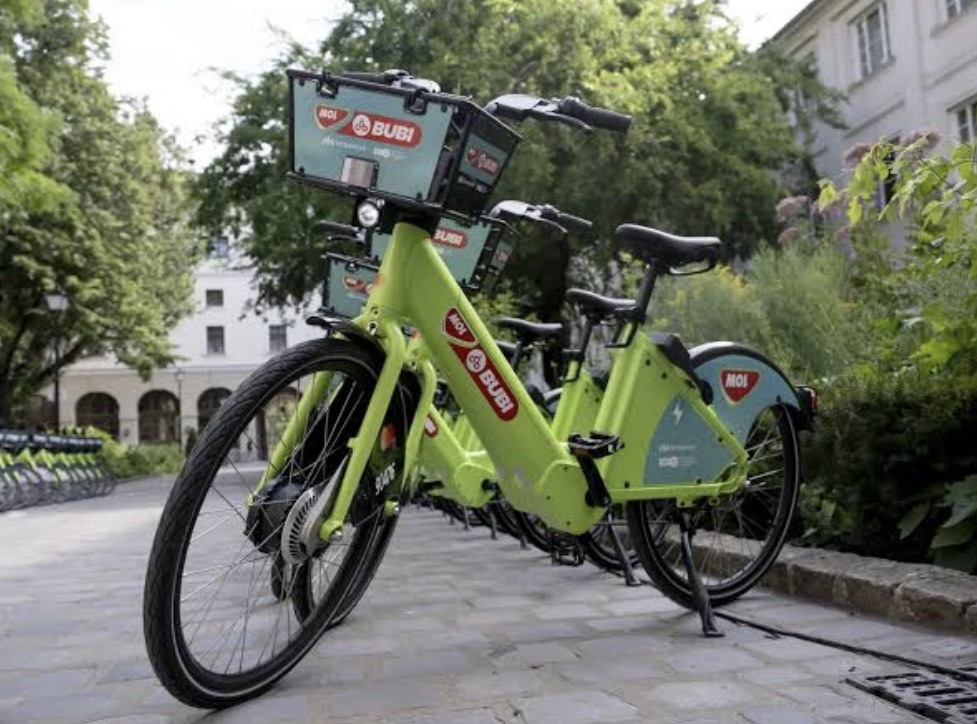 Photo: MOL Bubi