E-scooter riders face a higher risk of certain head and internal injuries than motorcyclists and pedal cyclists, according to a study of road trauma data from England and Wales.
Published in Scientific Reports on August 6, 2026, the study examined injuries involving e-scooters, motorcycles and pedal cycles using data from the National Major Trauma Registry. The analysis covered collisions recorded in 18 cities in England and Wales between 2020 and 2022.
The study included 15,247 patients, comprising 580 e-scooter riders, 7,027 motorcyclists and 7,640 pedal cyclists.
After adjusting for age, adult e-scooter riders had a higher relative risk of several types of injury compared with motorcyclists. The relative risk of traumatic brain injury was 3.45 times higher, while the relative risks of vascular trauma and internal organ injuries were 3.24 and 1.46 times higher, respectively.
E-scooter riders also had higher relative risks of traumatic brain injury, vascular trauma and internal organ injuries than pedal cyclists. However, their relative risk of fractures was lower than that of both motorcyclists and cyclists.
Head Injuries Account for a Significant Share
Traumatic brain injuries represented a substantial proportion of injuries among adult e-scooter riders. The study also found differences in injury patterns between e-scooter riders, motorcyclists and cyclists across different body regions.
The researchers noted that e-scooters have design characteristics that may be relevant to injury patterns, including small wheels and a standing riding position. These characteristics can affect how the vehicles respond to road obstacles such as potholes, kerbs and debris.
Helmet use was also low among e-scooter riders in the data examined, with fewer than 6% reporting that they were wearing a helmet.
Children Represented 16.2% of E-Scooter Trauma Cases
The study found that younger riders represented a larger share of e-scooter trauma cases than in the motorcycle and pedal-cycle groups.
Patients aged under 18 accounted for 16.2% of e-scooter trauma cases, compared with 6.2% among motorcyclists and 8.9% among pedal cyclists.
The researchers also examined differences between male and female e-scooter riders. The analysis found differences in the types and severity of injuries sustained, including a higher proportion of certain injuries among female riders.
The study authors said the findings highlight the need for further consideration of e-scooter safety, including vehicle design, rider protection and the conditions in which e-scooters are used.
The research does not establish that e-scooters have a higher overall crash or injury rate than motorcycles or bicycles. Instead, it compares the patterns and relative risks of specific injuries among people who were treated for trauma following collisions.
The findings provide further evidence for evaluating e-scooter safety and injury prevention as their use continues to be examined in England and Wales.
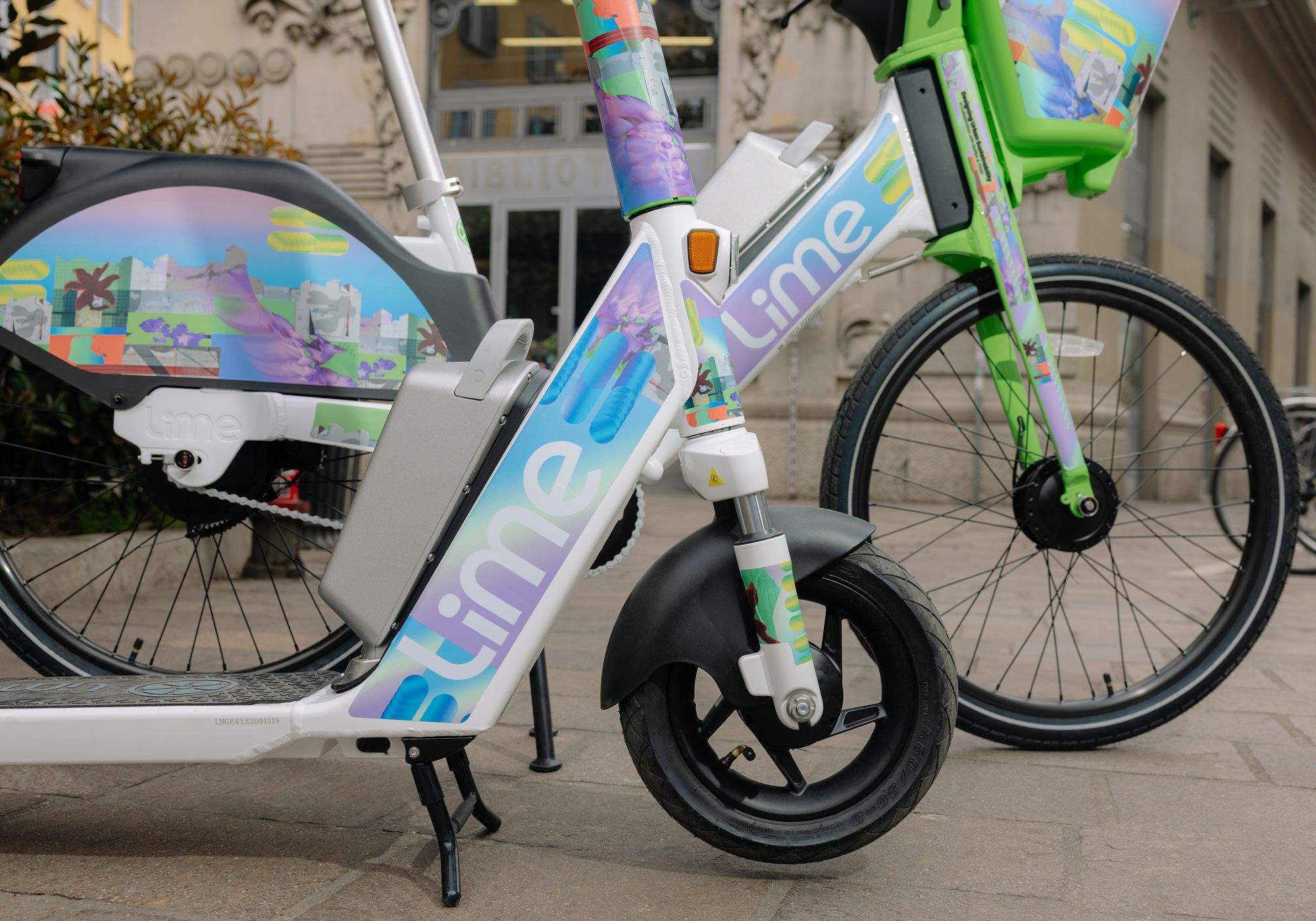 Photo: Lime